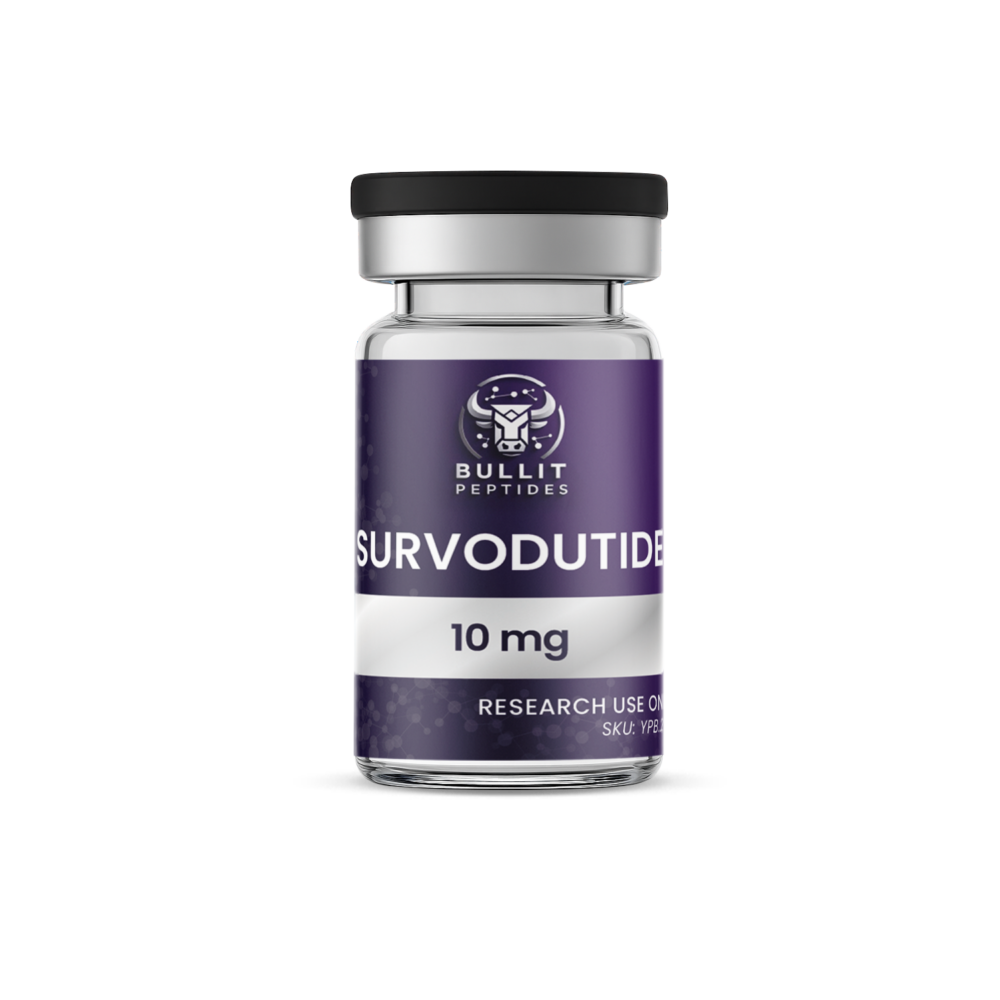
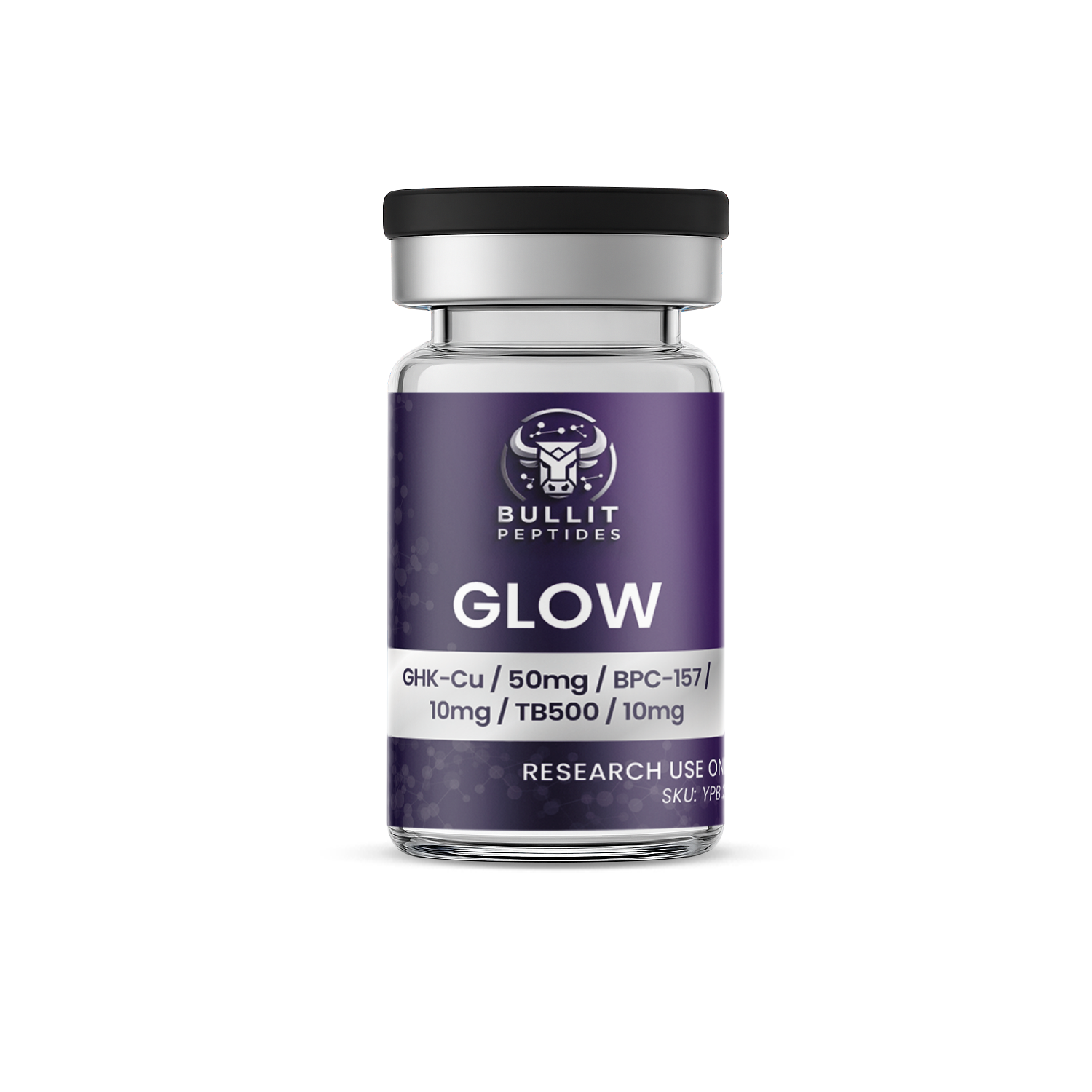
GLOW GHK-Cu (50mg) / BPC-157 (10mg) / TB500 (10mg)
$165.00
Description
A three-component co-formulation supplied for controlled research environments. Suitable for studies involving peptide characterization and method development in model systems.
Composition
• GHK-Cu
• BPC-157
• TB-500 (Thymosin Beta 4)
• Appearance: Lyophilized powder in a sealed research vial
Research Focus (non-clinical)
• Combined evaluation of copper peptide, BPC-157, and TB-500 in in-vitro or ex-vivo assay systems
• Assay development, including chromatographic separation of three co-formulated peptides
• Stability characterization of a three-analyte lyophilized blend under laboratory storage conditions
• Method documentation for HPLC/LC-MS identity and purity assessments
For qualified research professionals and institutional laboratories. Not for human use.
Documentation & Quality Assurance
Each lot is sourced through our verified global supply chain with emphasis on traceability and quality control. We work diligently to obtain and maintain third-party analytical reports (HPLC/LC-MS) and Certificates of Analysis for each batch, as part of our ongoing quality process. These documents are reviewed internally and displayed as they become available. Independent third-party testing is also performed on select lots to confirm identity, purity, and alignment with our internal specifications.
Important Notice
This product is intended for laboratory research use only. It is not intended for human or veterinary use, and must not be used for diagnostic, therapeutic, or clinical purposes.
This material is not a drug, medical device, or dietary supplement, and has not been evaluated by the U.S. Food and Drug Administration.
Quality & Manufacturing
All materials are sourced from carefully vetted domestic and international manufacturing partners who follow quality systems consistent with ISO and cGMP principles. Each supplier is reviewed for reliability, documentation integrity, and transparency in testing.
We require a verified purity of 99% or higher and perform independent third-party spot testing to confirm that select lots meet our internal standards for identity, purity, and composition. Where available, endotoxin testing results are included on Certificates of Analysis to verify laboratory purity; their inclusion is for research quality assessment only and does not imply suitability for human or veterinary use.
All research materials are sealed for integrity and packaged for stability during storage and transport from manufacturing through final delivery.
Additional information
| Weight | 0.2 lbs |
|---|
Storage Instructions
All our research peptides are manufactured using a lyophilization (freeze-drying) process. This method is designed to maintain product integrity and allows vials to remain stable during shipping for approximately 3–4 months.
Once a vial is reconstituted with bacteriostatic water, it should be stored in the refrigerator to help maintain stability. Under these conditions, reconstituted material is generally considered stable for up to 30 days.
Lyophilization is a dehydration technique in which compounds are frozen and then exposed to low pressure. This causes the water in the vial to sublimate directly from solid to gas, leaving behind a stable, crystalline white structure. This powder can be kept at room temperature until reconstitution.
Upon receipt, products should be stored away from heat and light. For short-term use, refrigeration at approximately 4°C (39°F) is suitable. For long-term storage (several months to years), vials may be placed in a freezer at approximately -80°C (-112°F). Freezing is the preferred method for preserving product stability over extended periods.
⚠️ Important Notice: These products are intended for research use only. Not for human consumption.
Certificate of Analysis
Every batch undergoes rigorous third-party laboratory testing to verify identity, purity (≥98%), and quality before release.
View Certificate of AnalysisResearch Literature Database Updating
Scientific studies for this compound are currently being indexed from our research database partners. Please check back soon for peer-reviewed research articles.
Related products
-
Sale!
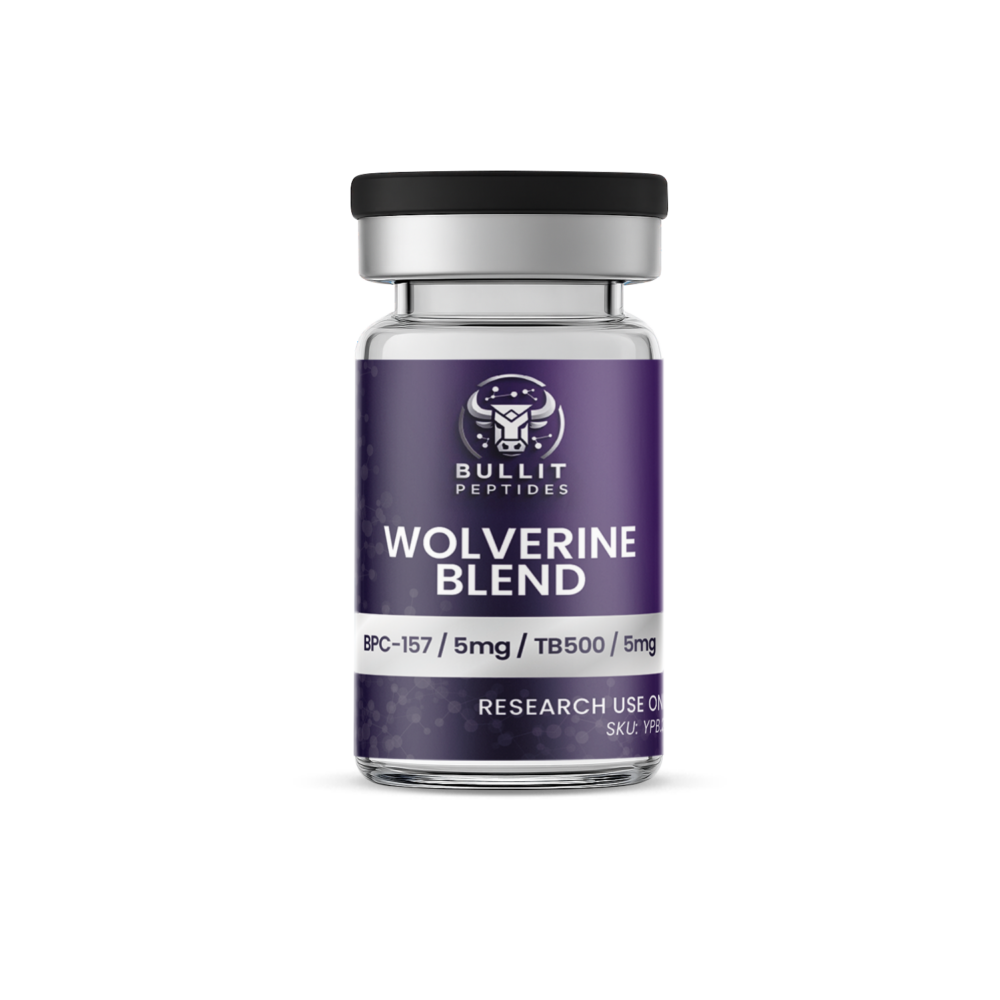
Wolverine Blend – BPC-157 (5mg) / TB500 (5mg) (Globally Sourced)
Price range: $100.00 through $150.00Select options This product has multiple variants. The options may be chosen on the product page -
-