
 Ipamorelin (10mg)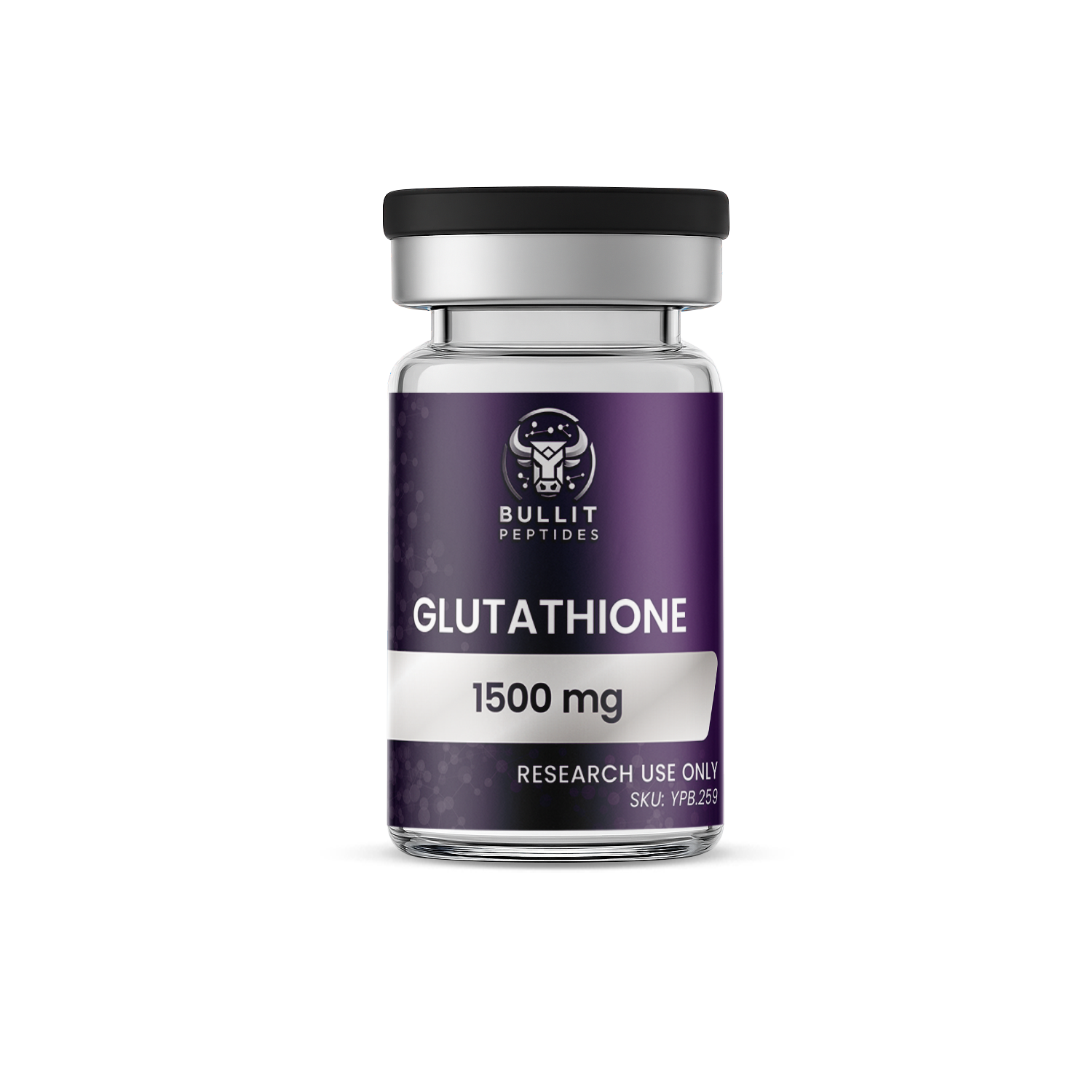
Glutathione
Price range: $150.00 through $160.00
Description
A single-component research material supplied for controlled research environments. Glutathione (600 mg) is a tripeptide (γ-L-glutamyl-L-cysteinylglycine) widely studied for its role in redox regulation, detoxification pathways, and cellular defense mechanisms. This preparation is intended for research use in biochemical and pharmacological model systems.
Composition
• Glutathione
• Appearance: Lyophilized powder in a sealed research vial
Research Focus (non-clinical)
• Quantitative assessment of intracellular redox status and glutathione-dependent enzymes
• Studies on oxidative stress, detoxification, and antioxidant capacity in cell cultures
• Assay development for HPLC/LC-MS-based glutathione measurement
• Stability, solubility, and reconstitution profiling under controlled storage conditions
For qualified research professionals and institutional laboratories. Not for human use.
Documentation & Quality Assurance
Each lot is sourced through our verified global supply chain with emphasis on traceability and quality control. We work diligently to obtain and maintain third-party analytical reports (HPLC/LC-MS) and Certificates of Analysis for each batch, as part of our ongoing quality process. These documents are reviewed internally and displayed as they become available. Independent third-party testing is also performed on select lots to confirm identity, purity, and alignment with our internal specifications.
Important Notice
This product is intended for laboratory research use only. It is not intended for human or veterinary use, and must not be used for diagnostic, therapeutic, or clinical purposes.
This material is not a drug, medical device, or dietary supplement, and has not been evaluated by the U.S. Food and Drug Administration.
Quality & Manufacturing
All materials are sourced from carefully vetted domestic and international manufacturing partners who follow quality systems consistent with ISO and cGMP principles. Each supplier is reviewed for reliability, documentation integrity, and transparency in testing.
We require a verified purity of 99% or higher and perform independent third-party spot testing to confirm that select lots meet our internal standards for identity, purity, and composition. Where available, endotoxin testing results are included on Certificates of Analysis to verify laboratory purity; their inclusion is for research quality assessment only and does not imply suitability for human or veterinary use.
All research materials are sealed for integrity and packaged for stability during storage and transport from manufacturing through final delivery.
Additional information
| Weight | 0.2 lbs |
|---|---|
| Dosage | 600mg, 1500mg |
Storage Instructions
All our research peptides are manufactured using a lyophilization (freeze-drying) process. This method is designed to maintain product integrity and allows vials to remain stable during shipping for approximately 3–4 months.
Once a vial is reconstituted with bacteriostatic water, it should be stored in the refrigerator to help maintain stability. Under these conditions, reconstituted material is generally considered stable for up to 30 days.
Lyophilization is a dehydration technique in which compounds are frozen and then exposed to low pressure. This causes the water in the vial to sublimate directly from solid to gas, leaving behind a stable, crystalline white structure. This powder can be kept at room temperature until reconstitution.
Upon receipt, products should be stored away from heat and light. For short-term use, refrigeration at approximately 4°C (39°F) is suitable. For long-term storage (several months to years), vials may be placed in a freezer at approximately -80°C (-112°F). Freezing is the preferred method for preserving product stability over extended periods.
⚠️ Important Notice: These products are intended for research use only. Not for human consumption.
Certificate of Analysis
Every batch undergoes rigorous third-party laboratory testing to verify identity, purity (≥98%), and quality before release.
All Available COAs
Research Use Only
These studies reference research-grade peptides for laboratory and scientific investigation only. Not for human consumption. Not intended to diagnose, treat, cure, or prevent any disease.
Published Scientific Research
Peer-reviewed laboratory research investigating research peptides from leading scientific databases
Overexpression of SFPQ Improves Cognition and Memory in AD Mice.
Furthermore, phosphorylated phosphoinositide 3-kinase (p-PI3K)/PI3K and phosphorylated protein kinase B (p-AKT)/AKT ratios were elevated, indicating activation of the PI3K/AKT signaling pathway.
View Full StudyTNIP3 protects against pathological cardiac hypertrophy by stabilizing STAT1.
However, the mechanisms underlying pathological cardiac hypertrophy remain largely unknown. We observed a significant upregulation of TNIP3 in mouse hearts subjected to transverse aortic constriction (TAC) surgery and in primary neonatal rat cardiomyocytes stimulated by phenylephrine (PE).
View Full StudyA Novel Dry-Cured Ham Broth-Derived Peptide JHBp2 Effectively Inhibits In Vitro: Integrated Metabolomic, Proteomic, and Molecular Simulation Analyses.
RT-qPCR and proteomics results showed a positive correlation, and molecular docking demonstrated stable binding of JHBp2 to some differentially expressed proteins.
View Full StudyImproved efficacy of linear glutathione-peptide chaperon complexes on melanogenesis inhibition and transdermal delivery.
Our findings revealed that the linear structure not only inhibited synthetic melanin production in B16F10 cells through a direct pathway but also through a paracrine pathway, demonstrating a significant tyrosinase inhibition of nearly 70 %, attributed to the paracrine effect of human keratinocyte HaCaT. Notably, electric two-photon microscopy demonstrated that TD1-linker-GSH exhibited significant transdermal ability, penetrating 158.67 ± 9.28 μm into the skin of living guinea pigs.
View Full StudyIn Vitro Protective Effect of Pea-Derived Peptides (PPs) via the Keap1/Nrf2 Signaling Pathway on Alpha-Gliadin-Sensitizing Peptide Induced Cacao-2 Cells.
Three PPs significantly reduce the P31-43-induced decrease in ROS levels to control levels, and there is no difference between them and the vitamin C (Vc) group. By studying the key proteins of the Kelch-like ECH-associated protein 1 (Keap1)/NF-E2-related factor 2 (Nrf2) pathway, it is found that PPs activate the Keap1/Nrf2 signaling pathway.
View Full StudyEnhancing Photothermal Therapy Efficacy by Self-Assembly in Glioma.
The residence time of some small molecular imaging and therapeutic agents in tumor tissue is short and the molecules can be easily dispersed, which decreases treatment efficacy. Therefore, methods that enhance oncotherapy performance are of significant importance. Here, we report an self-assembly strategy aimed at enhancing the photothermal therapy of glioblastomas. The probe, ICG-PEP-c(RGD)fk, consisted of a glutathione-reactive self-assembling polypeptide as the skeleton, indocyanine green (I
View Full StudyRelated products
-
Thymosin Beta 4 (TB500)
Price range: $75.00 through $140.00Select options This product has multiple variants. The options may be chosen on the product page -
GLP-1 S
Price range: $240.00 through $360.00Select options This product has multiple variants. The options may be chosen on the product page -
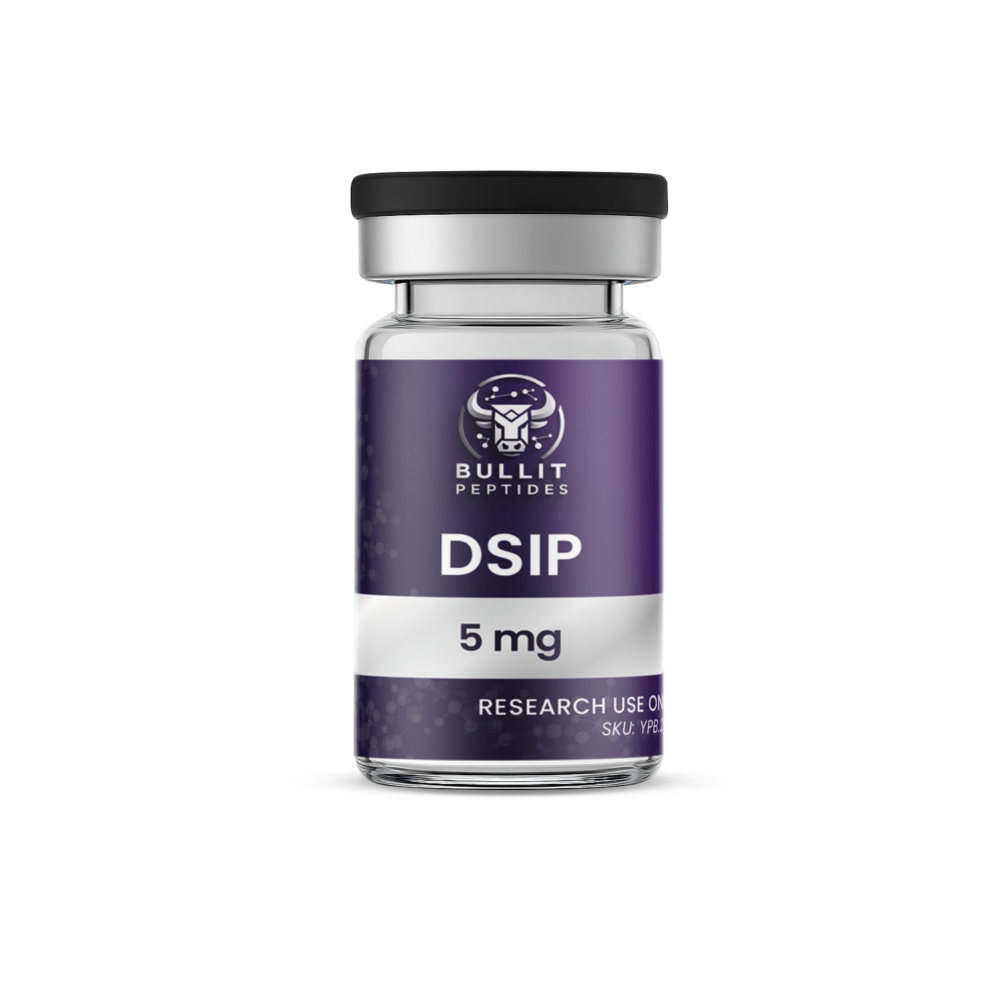
DSIP
$80.00Select options This product has multiple variants. The options may be chosen on the product page