
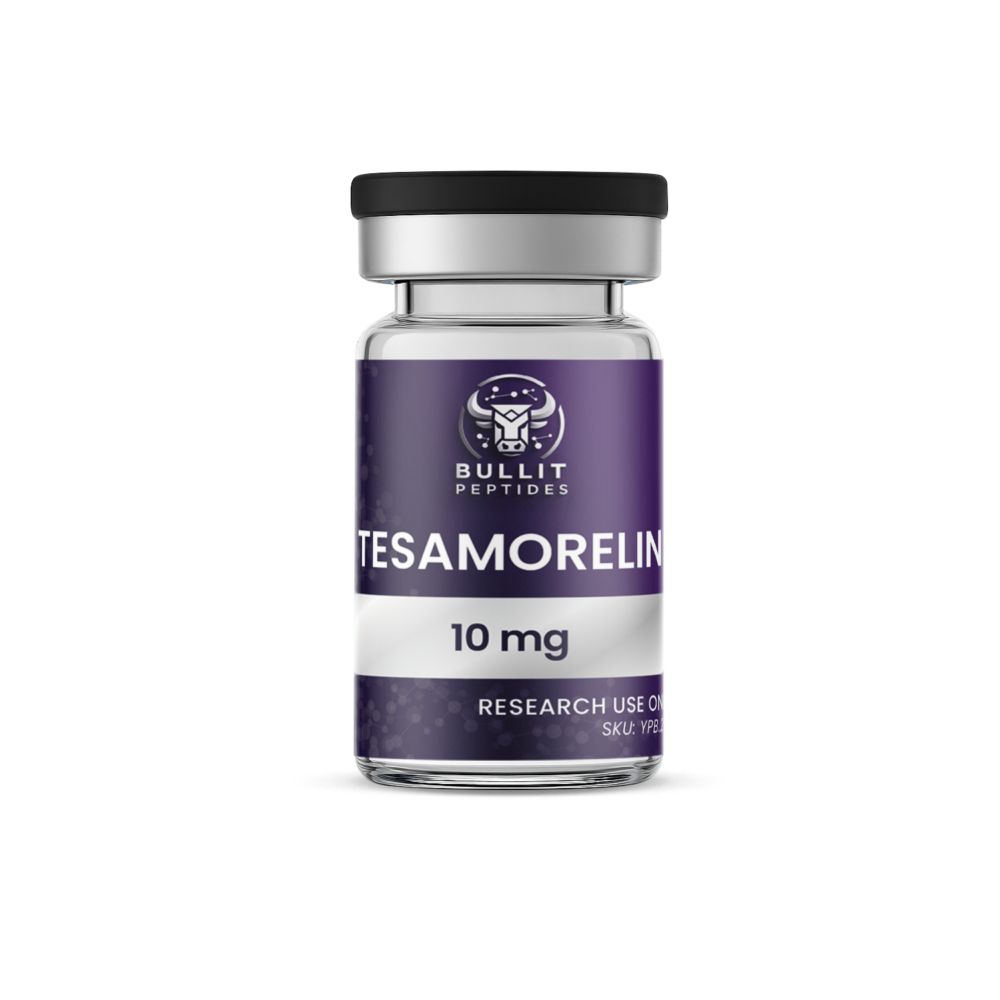
 Tesamorelin (10mg)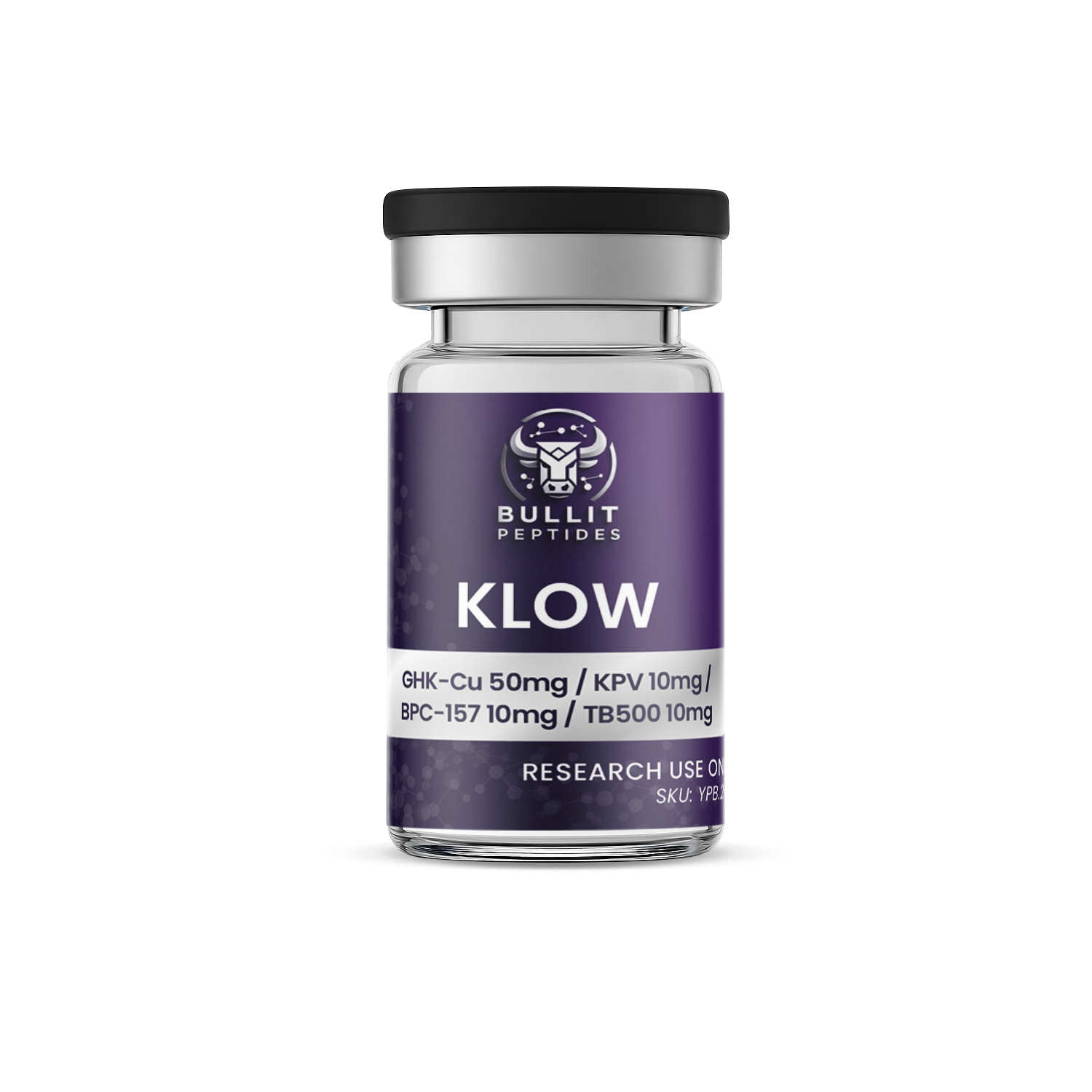
KLOW – GHK-Cu (50mg) / KPV (10mg) / BPC-157 (10mg) / TB500 (10mg)
$200.00
Description
A four-component co-formulation supplied for controlled research environments. Suitable for studies involving peptide characterization and method development in model systems.
Composition
• GHK-Cu
• KPV
• BPC-157
• TB-500 (Thymosin Beta 4)
• Appearance: Lyophilized powder in a sealed research vial
Research Focus (non-clinical)
• Combined evaluation of copper peptide, KPV tripeptide, BPC-157, and TB-500 in in-vitro or ex-vivo assay systems
• Assay development, including chromatographic separation of four co-formulated peptides
• Stability characterization of a four-analyte lyophilized blend under laboratory storage conditions
• Method documentation for HPLC/LC-MS identity and purity assessments
For qualified research professionals and institutional laboratories. Not for human use.
Documentation & Quality Assurance
Each lot is sourced through our verified global supply chain with emphasis on traceability and quality control. We work diligently to obtain and maintain third-party analytical reports (HPLC/LC-MS) and Certificates of Analysis for each batch, as part of our ongoing quality process. These documents are reviewed internally and displayed as they become available. Independent third-party testing is also performed on select lots to confirm identity, purity, and alignment with our internal specifications.
Important Notice
This product is intended for laboratory research use only. It is not intended for human or veterinary use, and must not be used for diagnostic, therapeutic, or clinical purposes.
This material is not a drug, medical device, or dietary supplement, and has not been evaluated by the U.S. Food and Drug Administration.
Quality & Manufacturing
All materials are sourced from carefully vetted domestic and international manufacturing partners who follow quality systems consistent with ISO and cGMP principles. Each supplier is reviewed for reliability, documentation integrity, and transparency in testing.
We require a verified purity of 99% or higher and perform independent third-party spot testing to confirm that select lots meet our internal standards for identity, purity, and composition. Where available, endotoxin testing results are included on Certificates of Analysis to verify laboratory purity; their inclusion is for research quality assessment only and does not imply suitability for human or veterinary use.
All research materials are sealed for integrity and packaged for stability during storage and transport from manufacturing through final delivery.
Additional information
| Weight | 0.2 lbs |
|---|
Storage Instructions
All our research peptides are manufactured using a lyophilization (freeze-drying) process. This method is designed to maintain product integrity and allows vials to remain stable during shipping for approximately 3–4 months.
Once a vial is reconstituted with bacteriostatic water, it should be stored in the refrigerator to help maintain stability. Under these conditions, reconstituted material is generally considered stable for up to 30 days.
Lyophilization is a dehydration technique in which compounds are frozen and then exposed to low pressure. This causes the water in the vial to sublimate directly from solid to gas, leaving behind a stable, crystalline white structure. This powder can be kept at room temperature until reconstitution.
Upon receipt, products should be stored away from heat and light. For short-term use, refrigeration at approximately 4°C (39°F) is suitable. For long-term storage (several months to years), vials may be placed in a freezer at approximately -80°C (-112°F). Freezing is the preferred method for preserving product stability over extended periods.
⚠️ Important Notice: These products are intended for research use only. Not for human consumption.
Certificate of Analysis
Every batch undergoes rigorous third-party laboratory testing to verify identity, purity (≥98%), and quality before release.
View Certificate of AnalysisResearch Use Only
These studies reference research-grade peptides for laboratory and scientific investigation only. Not for human consumption. Not intended to diagnose, treat, cure, or prevent any disease.
Published Scientific Research
Peer-reviewed laboratory research investigating regenerative peptides from leading scientific databases
Enzyme-Programmable DNA-PEG Hydrogel Spatiotemporally Regulates Bone Regeneration Microenvironment.
Conventional hydrogel drug delivery systems are limited in recapitulating the natural spatiotemporal progression of bone regeneration due to their passive release mechanisms. Molecular dynamics simulations reveal the underlying mechanism of hydrogel-mediated mineralization, demonstrating enhanced calcium phosphate formation.
View Full StudyAI-Guided Design of Antimicrobial Peptide Hydrogels for Precise Treatment of Drug-resistant Bacterial Infections.
Traditional biomaterial development lacks systematicity and predictability, posing significant challenges in addressing the intricate engineering issues related to infections with drug-resistant bacteria. The unprecedented ability of artificial intelligence (AI) to manage complex systems offers a novel paradigm for materials development. However, no AI model currently guides the development of antibacterial biomaterials based on an in-depth understanding of the interplay between biomaterials and
View Full StudyInhibition of Fap Promotes Cardiac Repair by Stabilizing BNP.
RNA-Sequencing, biochemical analysis, cardiac fibroblasts (CFs) and endothelial cells co-culture were used to reveal the molecular and cellular mechanisms by which Fap regulates angiogenesis. Histological and transcriptomic analyses showed that Fap inhibition leads to increased angiogenesis in the peri-infarct zone, which promotes ECM deposition and alignment by cardiac fibroblasts and prevents their overactivation, thereby limiting scar expansion.
View Full StudyAntimicrobial peptides (AMPs): The quintessential 'offense and defense' molecules are more than antimicrobials.
Antimicrobial peptides (AMPs) are cationic amphiphilic molecules with α-helix or β-sheet linear motifs and linear or cyclic configurations. For their role in 'defense and offense', they are present in all living organisms. AMPs are named so, as they inhibit a wide array of microbes by membrane pore formation and subsequent perturbation of mitochondrial membrane ionic balance. However, their functional repertoire is expanding with validated roles in cytotoxicity, wound healing, angiogenesis, ap
View Full StudyMicroneedle applications in improving skin appearance.
Microneedles (MNs) are micron-sized, minimally invasive devices that breach the outermost layer of the skin, the stratum corneum (SC), creating transient, aqueous pores in the skin and facilitating the transport of therapeutic molecules into the epidermis. Following many years of extensive research in the area of MN-mediated trans- and intra-dermal drug delivery, MNs are now being exploited in the cosmeceutical industry as a means of disrupting skin cell architecture, inducing elastin and collag
View Full StudyMolecular determinants of irinotecan efficacy.
Recursive partitioning analysis showed that mRNA levels of EGFR and ERCC1 are primarily responsible for delineating responders from nonresponders. Also, the combination of high intratumoral gene expression levels of both EGFR and ERCC1 was significantly associated with progression-free survival.
View Full StudyRelated products
-
-
Sale!
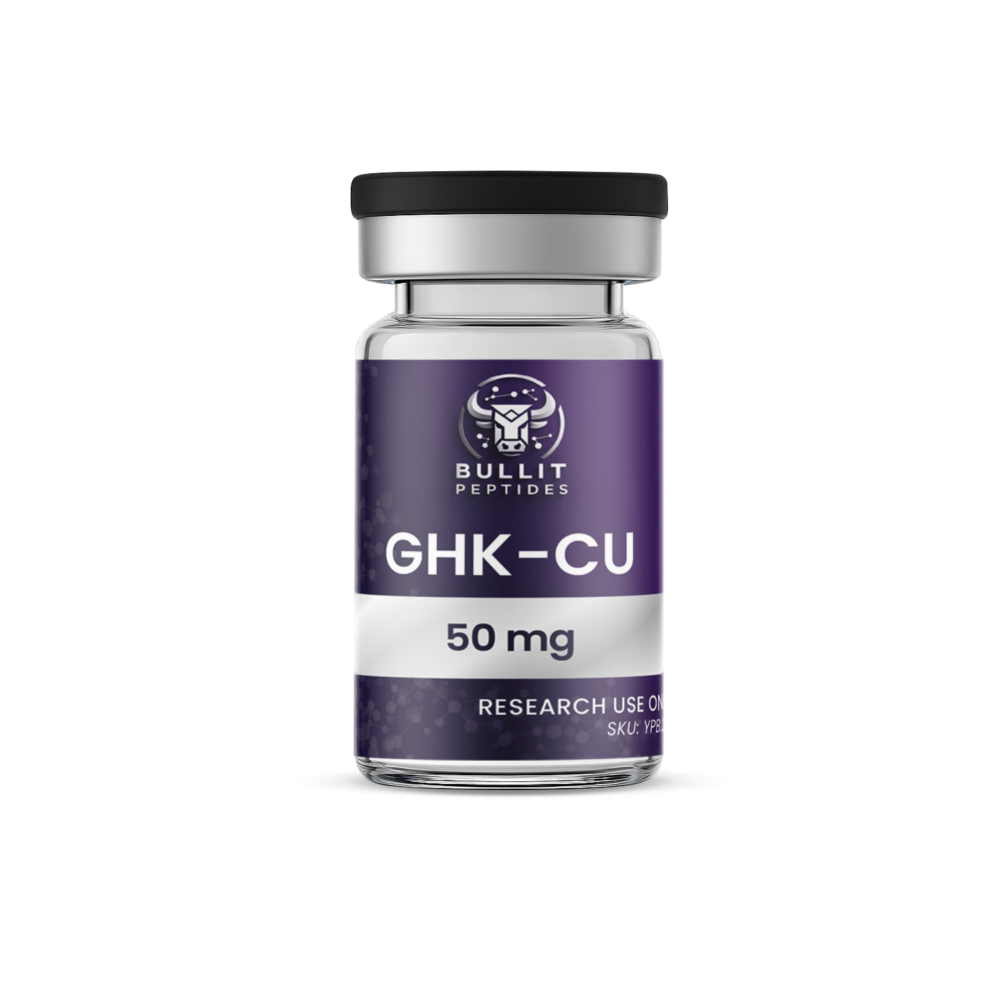
GHK-Cu
Price range: $70.00 through $100.00Select options This product has multiple variants. The options may be chosen on the product page -
GLP-2 TZ
Price range: $200.00 through $450.00Select options This product has multiple variants. The options may be chosen on the product page