RT
Price range: $160.00 through $290.00
Description
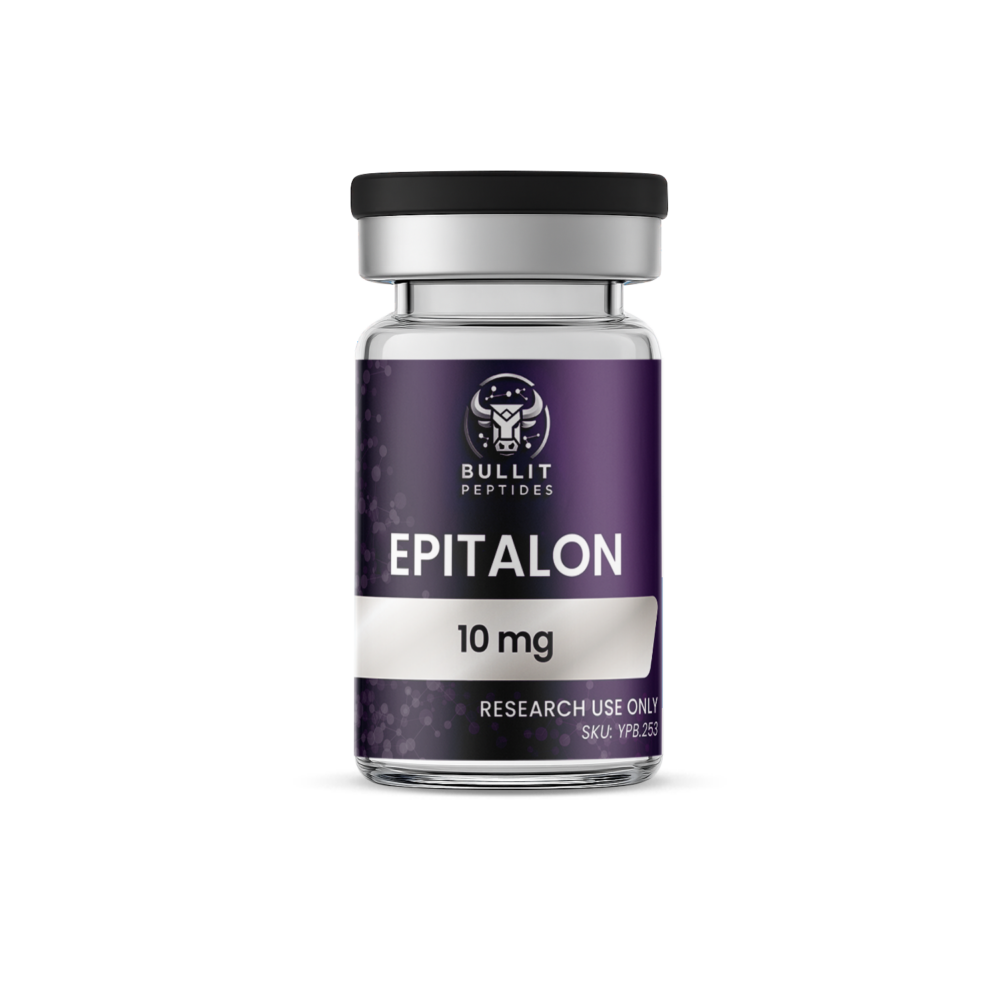
A single-component research material supplied for controlled research environments. Suitable for studies involving receptor–related pathway characterization and method development in model systems.
Composition
RT
• Appearance: Lyophilized powder in a sealed research vial
Research Focus (non-clinical)
• Peptide identity and purity assessment via HPLC/LC-MS
• Assay development and calibration for quantitative analysis of receptor–related models
• Chromatographic method optimization for impurity profiling and peak resolution
• Stability characterization of a lyophilized peptide under laboratory storage conditions
For qualified research professionals and institutional laboratories. Not for human use.
Documentation & Quality Assurance
Each lot is sourced through our verified global supply chain with emphasis on traceability and quality control. We work diligently to obtain and maintain third-party analytical reports (HPLC/LC-MS) and Certificates of Analysis for each batch, as part of our ongoing quality process. These documents are reviewed internally and displayed as they become available. Independent third-party testing is also performed on select lots to confirm identity, purity, and alignment with our internal specifications.
Important Notice
This product is intended for laboratory research use only. It is not intended for human or veterinary use, and must not be used for diagnostic, therapeutic, or clinical purposes.
This material is not a drug, medical device, or dietary supplement, and has not been evaluated by the U.S. Food and Drug Administration.
Quality & Manufacturing
All materials are sourced from carefully vetted domestic and international manufacturing partners who follow quality systems consistent with ISO and cGMP principles. Each supplier is reviewed for reliability, documentation integrity, and transparency in testing.
We require a verified purity of 99% or higher and perform independent third-party spot testing to confirm that select lots meet our internal standards for identity, purity, and composition. Where available, endotoxin testing results are included on Certificates of Analysis to verify laboratory purity; their inclusion is for research quality assessment only and does not imply suitability for human or veterinary use.
All research materials are sealed for integrity and packaged for stability during storage and transport from manufacturing through final delivery.
Additional information
| Weight | 0.2 lbs |
|---|---|
| Dosage | 10mg, 20mg, 30mg, 40mg, 50mg |
Storage Instructions
All our research peptides are manufactured using a lyophilization (freeze-drying) process. This method is designed to maintain product integrity and allows vials to remain stable during shipping for approximately 3–4 months.
Once a vial is reconstituted with bacteriostatic water, it should be stored in the refrigerator to help maintain stability. Under these conditions, reconstituted material is generally considered stable for up to 30 days.
Lyophilization is a dehydration technique in which compounds are frozen and then exposed to low pressure. This causes the water in the vial to sublimate directly from solid to gas, leaving behind a stable, crystalline white structure. This powder can be kept at room temperature until reconstitution.
Upon receipt, products should be stored away from heat and light. For short-term use, refrigeration at approximately 4°C (39°F) is suitable. For long-term storage (several months to years), vials may be placed in a freezer at approximately -80°C (-112°F). Freezing is the preferred method for preserving product stability over extended periods.
⚠️ Important Notice: These products are intended for research use only. Not for human consumption.
Certificate of Analysis
Every batch undergoes rigorous third-party laboratory testing to verify identity, purity (≥98%), and quality before release.
Research Use Only
These studies reference research-grade peptides for laboratory and scientific investigation only. Not for human consumption. Not intended to diagnose, treat, cure, or prevent any disease.
Published Scientific Research
Peer-reviewed laboratory research investigating research peptides from leading scientific databases
Peptide Binder to Glypican-3 as a Theranostic Agent for Hepatocellular Carcinoma.
RAYZ-8009 showed high binding affinity to GPC3 protein of human, mouse, canine, and cynomolgus monkey origins and no binding to other glypican family members. Biodistribution study of Lu-RAYZ-8009 showed sustained tumor uptake and fast renal clearance, with minimal or no uptake in other normal tissues.
View Full StudyMelanoma Derived Exosomes Amplify Radiotherapy Induced Abscopal Effect via IRF7/I-IFN Axis in Macrophages.
However, the detailed underlying mechanisms remain largely unknown. Single-cell RNA sequencing, immunofluorescence, and flow cytometry are performed to explore the regulation of tumor microenvironment (TME) by RT.
View Full StudyRadiolabeled Nanocarriers as Theranostics-Advancement from Peptides to Nanocarriers.
Endogenous targeted radiotherapy is emerging as an integral modality to treat a variety of cancer entities. Nevertheless, despite the positive clinical outcome of the treatment using radiolabeled peptides, small molecules, antibodies, and nanobodies, a high degree of hepatotoxicity and nephrotoxicity still persist. This limits the amount of dose that can be injected. In an attempt to mitigate these side effects, the use of nanocarriers such as nanoparticles (NPs), dendrimers, micelles, liposomes
View Full StudyThe Application of Peptides in Glioma: A Novel Tool for Therapy.
BACKGROUND: Glioma is the most aggressive and lethal tumor of the central nervous system. Due to the cellular heterogeneity, the invasiveness, and blood-brain barrier (BBB), current therapeutic approaches, such as chemotherapy and radiotherapy, are poorly to obtain great antitumor efficacy. However, peptides, a novel type of therapeutic agent, displayed excellent ability in the tumor, which becomes a new molecule for glioma treatment. METHODS: We review the current knowledge on peptides for the
View Full StudyFunctionalized self-assembled peptide RAD/Dentonin hydrogel scaffold promotes dental pulp regeneration.
The results showed that RAD/Dentonin spontaneously assembles into a hydrogel with a-sheet-based nanofiber network structure., RAD/Dentonin has superior biocompatibility and enhances adhesive proliferation, migration, odontogenic differentiation, and mineralization deposition of hDPSCs.
View Full StudyPeptide and pseudo-peptide.
In recent years, the introduction of theranostic twins for specific diagnosis and treatment in patients with neuroendocrine tumors became a nuclear medicine success story. Cu/F labeled prostate specific membrane antigen (PSMA) for molecular imaging with PET-CT and peptide radioligand therapy with Lu labeled PSMA inhibitors will favorably become the next theranostic twins in nuclear medicine history. Ga/ Cu/F PSMA PET/CT detects metastatic prostate cancer with high diagnostic sensitivity and spec
View Full StudyRelated products
-
-
Epitalon
Price range: $100.00 through $150.00Select options This product has multiple variants. The options may be chosen on the product page -